
At Cullman Internal Medicine, we believe that good nutrition is one of the most powerful tools for lifelong health. What you eat affects how you feel today and plays a major role in preventing chronic disease in the future. Healthy eating is not about strict diets or perfection. It is about building sustainable habits that support your body at every stage of life.
As your body changes over time, so do your nutritional needs. Understanding how to adjust your eating habits as you grow can help you maintain energy, protect your health, and improve your quality of life.
Building a Strong Foundation in Early Life
Healthy eating habits often begin in childhood and adolescence. During these years, the body is growing rapidly and requires a wide range of nutrients to support development. Nutritional needs tend to remain the same as we age. We all need a healthy balance of lean protein, healthy fats, vitamins and minerals, and healthy whole grains.
Children and teens need a balance of lean proteins, whole grains, healthy fats, fruits, and vegetables. Calcium and vitamin D are especially important for building strong bones, while iron supports healthy blood and energy levels. Encouraging a variety of foods helps ensure that growing bodies get what they need.
Parents and caregivers play a key role in shaping habits. The great news is that when parents model healthy eating habits, these habits tend to stick with children and last throughout their lives. Your influence, as a parent, signals health for years to come. Simple strategies such as offering balanced meals, limiting sugary drinks, and encouraging regular meal times can set the stage for lifelong wellness.

Nutrition in Young Adulthood: Supporting Energy and Balance
In young adulthood, life often becomes busy with work, family, and social commitments. It can be easy to rely on convenience foods, but this is a critical time to establish habits that will protect long-term health.
A balanced diet should focus on whole, minimally processed foods. Lean proteins like chicken, fish, beans, and eggs help maintain muscle and keep you full. Whole grains such as brown rice and oats provide steady energy. Fruits and vegetables offer essential vitamins, minerals, and fiber.
Healthy fats are also important. Foods like avocados, nuts, seeds, and olive oil support heart health and brain function. Staying hydrated and limiting processed foods high in sugar and sodium can make a noticeable difference in energy levels and overall well-being.
Midlife Nutrition: Preventing Chronic Disease
As we enter our 40s and 50s, the risk of chronic conditions such as heart disease, high blood pressure, and type 2 diabetes begins to increase. Nutrition becomes even more important in preventing and managing these conditions.
Focus on heart-healthy eating by increasing fiber intake through fruits, vegetables, legumes, and whole grains. Fiber helps lower cholesterol and supports digestive health. Choose lean sources of protein and limit saturated fats found in fried foods and fatty cuts of meat.
Reducing sodium intake can help control blood pressure. Cooking at home more often and using herbs and spices instead of salt are simple and effective strategies. Watching portion sizes is also important as metabolism naturally slows with age.
At Cullman Internal Medicine, we often encourage patients to think of food as medicine. Small changes over time can have a big impact on long-term health.
Nutrition for Older Adults: Maintaining Strength and Vitality
In later years, the body requires fewer calories but still needs a high level of nutrients. This means that every bite should count.
Protein becomes especially important for maintaining muscle mass and preventing weakness. Protein recommendations for healthy adults range from 1 to 1.2g/kg/day and may reach higher for those with certain conditions. Good sources include lean meats, fish, dairy products, beans, and nuts. Calcium and vitamin D remain essential for bone health and reducing the risk of fractures.
Hydration is another key factor. Many older adults do not feel thirsty as often, which can lead to dehydration. Drinking water regularly throughout the day is important even when you do not feel thirsty.
Some individuals may experience changes in appetite or difficulty chewing. Choosing softer, nutrient-dense foods such as yogurt, cooked vegetables, and soups can help maintain proper nutrition.
Understanding the Role of Good and Bad Fats
Not all fats are created equal. Healthy fats, often called unsaturated fats, can improve cholesterol levels and support heart health. These are found in foods like olive oil, nuts, seeds, and fatty fish such as salmon.
On the other hand, saturated fats and trans fats can raise bad cholesterol levels and increase the risk of heart disease. These are commonly found in fried foods, processed snacks, and baked goods.
Replacing unhealthy fats with healthier options is a simple but powerful way to improve your diet and protect your heart.

The Importance of Protein Throughout Life
Protein plays a vital role at every stage of life. It helps build and repair tissues, supports immune function, and keeps you feeling full.
As we age, maintaining adequate protein intake becomes even more important to prevent muscle loss. Including a source of protein at each meal can help support strength and mobility.
Good options include lean meats, poultry, fish, eggs, beans, lentils, and dairy products. Plant based proteins can be especially beneficial as they also provide fiber and other nutrients.
Healthy Eating Habits That Last a Lifetime
Healthy eating is not about following a perfect plan. It is about making consistent choices that support your health over time.
Start with simple steps such as filling half your plate with fruits and vegetables. Choose whole grains instead of refined grains. Limit sugary drinks and opt for water whenever possible.
Planning meals ahead of time can help you make better choices and avoid last minute decisions that may not support your health goals. Eating mindfully and paying attention to hunger and fullness cues can also improve your relationship with food.
When to Talk to Your Healthcare Provider
Every person has unique nutritional needs based on their health, lifestyle, and medical history. If you have a chronic condition, are starting a new diet, or have concerns about your nutrition, it is important to speak with your healthcare provider.
At Cullman Internal Medicine, our team is here to help guide you with personalized recommendations that fit your life. Whether you are managing a health condition or simply want to feel your best, we can help you build healthy habits that last.
A Lifelong Commitment to Better Health
Nutrition is a lifelong journey. The choices you make today can have a lasting impact on your future health. By focusing on balanced, nutrient-rich foods and adjusting your habits as your body changes, you can support your well-being at every stage of life.
Cullman Internal Medicine is committed to helping you take control of your health through practical, evidence-based guidance. Healthy eating does not have to be complicated. With the right approach, it can become a natural and enjoyable part of your daily routine.
Your health is worth the investment. If you aren’t sure where to begin with healthy eating habits, start where you are, make small changes, and build a foundation for a healthier future. And please do not hesitate to reach out to us at Cullman Internal Medicine. We welcome the opportunity to partner with you on your road to wellness.
 Katie is a Registered Dietitian Nutritionist with over 15 years of experience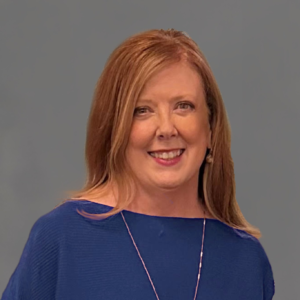
 Bethany is a board-certified family medicine Nurse Practitioner. She grew up in Cullman, watching her father, a physician, and her mother, a nurse, care for patients with both their hearts and hands. She learned from them that not only working hard, but loving and treating patients like family would develop the career that best suited her desire to help others. She has been caring for patients at Cullman Internal Medicine for 25 years. Building long-lasting relationships with her patients is important to her, and she genuinely enjoys being a part of their lives. She strives to provide compassionate, competent medical care which fosters an environment of mutual trust and respect.
 Bobi Jo Creel is a board-certified Acute Care Nurse Practitioner (ANCC-ACNP) with over 20 years of nursing experience. Born and raised in Cullman County, Alabama, she is deeply committed to providing compassionate, high-quality care to adults and seniors in her local community.
 Alicia is from Thomasville, Ga, but practiced in Burlington, Iowa from 2017 until joining Cullman Internal Medicine in 2025. Most of Alicia’s experience is in rural primary healthcare, which is where she learned of her passion for caring for patients with diabetes. From 2023 – 2025, her sole focus was assisting individuals in manage their condition more effectively, with a strong emphasis on long-term health and prevention of complications.
 Pam is a lifelong resident of Marshall County and a graduate of Albertville High School, Class of 1976. She earned her Bachelor of Science in Nursing from the University of Alabama at Birmingham in 1981. Pam began her career in emergency and critical care nursing, serving in both the ER and ICU. When Marshall Medical Center North (MMCN) opened in 1990, she became the Nurse Manager of the ICU.
 Stacey Varden is a board-certified Nurse Practitioner who works alongside Dr. Jeremy Stidham in Internal Medicine. She earned her Master’s degree in Nursing from the University of Alabama at Birmingham and collectively has over 18 years of nursing experience. Before becoming a Nurse Practitioner, she served as a Registered Nurse in the Emergency Department at Children’s of Alabama, where she developed a strong foundation in acute and compassionate patient care.
 Lorie Jones is a board-certified Family Nurse Practitioner born & raised in Cullman, Alabama. Her nursing career began in 1997 after earning her Licensed Practical Nursing diploma from Wallace State Community College, followed by an Associate Degree in Nursing in 2000. She gained extensive clinical experience working at both Woodland Medical Center and Cullman Regional Medical Center before advancing her education to become a nurse practitioner.
 Mollie Dockery, MSN, FNP-C, is a board-certified Family Nurse Practitioner with a passion for providing compassionate, evidence-based care to patients of all ages. With over 14 years of nursing experience and two years in advanced practice, Mollie brings a deep understanding of patient needs, especially in managing chronic conditions and promoting preventive health. Her approach is rooted in empathy, education, and a strong commitment to individualized care.
 Kristy is known for providing personalized, expert care in Sleep and Lung Health, where she empowers patients thru education, awareness, supportive listening and compassionate guidance. A Cullman native, Kristy is deeply rooted in our community and shares a sincere
 With over 15 years of nursing experience, Nancy Cornell is a dedicated and compassionate Family Nurse Practitioner (NP) committed to providing high-quality care to her patients. After earning a Bachelor’s degree in Nursing from Western Governors University in 2017, she went on to complete her Master’s degree in Nursing in 2022. For two years, Nancy has been a Certified Family Nurse Practitioner, applying her expertise in community urgent care to treat a diverse range of health needs.
 Clark Still is a Licensed Professional Counselor with Cullman Internal Medicine. Clark is also the founder of New Beginnings Counseling of Cullman. He specializes in Christian-Based Professional Counseling.
 Charlie Thornton has spent more than 24 years caring for others in a variety of healthcare roles—including paramedic, registered nurse, and for the past 10 years, nurse practitioner. He began his training at Wallace State Community College, completed his nursing degree at Jacksonville State University, and went on to earn graduate degrees from the University of South Alabama, where he became board certified as both a Family Nurse Practitioner and an Adult-Gerontology Acute Care Nurse Practitioner.
 Jeremy Stidham, M.D., is a board-certified internal medicine physician who has been caring for patients in Cullman for more than 15 years. He currently serves as President of Cullman Internal Medicine and the Cullman Physician Alliance, where he works alongside a team of dedicated colleagues to provide compassionate, patient-centered care.
 Nathan is a highly experienced Nurse Practitioner with a rich background spanning over two decades in healthcare. For the past ten years, Nathan has been a vital part of the CIM team as a Nurse Practitioner, also serving as a hospitalist nurse practitioner when needed. His extensive foundation was built over 19 years as a critical care registered nurse. Nathan is an alumnus of Wallace State Community College (RN), Jacksonville State College (BSN), and UAB (MSN), holding his nurse practitioner certification from the ANCC.
 Dr. Benjamin Rogers obtained a degree in Classical Studies from Hillsdale College before attending medical school at The University of Alabama at Birmingham. He then completed an internship and residency in Internal Medicine at Wake Forest University. He joined Cullman Internal Medicine in 2012.
 Morgan McHugh, CRNP, is a board-certified Family Nurse Practitioner with a special focus on diabetes management. A native of Hartselle, Alabama, she earned her Bachelor of Science in Nursing from the University of Alabama at Birmingham and her Master of Science in Nursing from the University of Alabama in Huntsville.
 Dr. Erin Britt is a compassionate physician proudly serving her local community as a hometown provider. Raised in Cullman, Alabama, Dr. Britt graduated from Cullman High School. Her desire to care for others lead to enrollment at the Alabama College of Osteopathic Medicine (ACOM), where she earned her medical degree.
 The goal of my practice is to help patients achieve optimal health. Eating a balanced diet, exercising, taking care of our mental health, and achieving quality sleep are all crucial for feeling good and living a healthy, enjoyable life. However, sometimes weight gain and hormone imbalances can get in the way.
 Naykala is a Triple Board-Certified physician with over 25yrs of experience, dedicated to delivering comprehensive patient-centered care. Her practice emphasizes a whole-body approach, combining traditional Internal Medicine with advanced training in Obesity Medicine and Medical Acupuncture. She evaluates complex medical conditions with a focus on identifying root causes–especially those contributing to weight gain—and provides thoughtful, integrative treatment plans. Naykala’s 10 years of service in the U.S. Air Force deepened her commitment to non-pharmacologic pain management, and acupuncture has become a meaningful part of how she cares for patients.
 Dr Parker grew up in Cullman County and attended West Point High School. His path to medicine was not direct. After high school, He attended Wallace State Community college and received an associates degree in business. Shortly after graduating Brian was married to his wife Karen. Unsure of what to do next he left his job as a butcher for the local Walmart distribution center where he would work for the next 7 years. After reflecting on his goals and desire to help others he decided to pursue medicine.
 Dr. Vintson is a Board Certified Family Medicine Physician originally from Cullman. She graduated medical school from Edward Via College of Osteopathic Medicine in Auburn, AL, and completed residency training at UAB Family Medicine in Huntsville. Dr. Vintson practices medicine seeing the patient as a whole person, understanding there are many components of one’s life that affects overall health and wellness. She loves seeing a variety of patient ages throughout her day and feels this is what makes family medicine and primary care so special. In addition to routine primary care she especially enjoys women’s health and preventative medicine, including Pap smears and menopause care, as well as diabetes management, nutrition, and mental health care. Dr. Vintson loves the Lord and enjoys time on the lake with her family, fishing, hunting, gardening, and podcasts. She has two young children and a loving husband of 12 years.
 Dr. Adam Harrison is proud to serve his hometown of Cullman as a dedicated physician. A local from East Elementary through Cullman High, he earned his Biomedical Sciences degree from Auburn University, completed medical school at Philadelphia College of Osteopathic Medicine, and his residency at UAB Huntsville Family Medicine. Drawn by the opportunity to give back to his community, Dr. Harrison chose to build his career at Cullman Internal Medicine.